

Linguistics
The aim of the Graduate School of Linguistics is to offer a comprehensive curriculum integrating advanced study and research covering all areas of language science, in close connection with PhD programmes. Research plays a central part in the programme, with a multidisciplinary outlook.


Presentation
The Graduate School of Linguistics offers a two years’ Master’s degree that prepares students for doctoral research. Over the course of their training, students must design a scientific project with the faculty and researchers of the graduate program. Students work closely with an academic advisor and participate in university seminars and research projects. These experiences prepare students to carry out independent doctoral research, either in the affiliated doctoral program or elsewhere.
The Graduate School of Linguistics brings together 8 Master’s programs at Université Paris Cité, as well as a joint program at Université Sorbonne Nouvelle and Inalco. This consortium creates a unique combination of perspectives for the study of language with cutting-edge research units in computational, theoretical and historical linguistics, as well as in sociolinguistics and descriptive linguistics, with unique fieldwork expertise on more than 200 languages in the world.
Website
www.paris-gsl.org
Contact
Anne ABEILLÉ
anne.abeille@u-paris.fr
Aimée LAHAUSSOIS
aimee.lahaussois@u-paris.fr
Masters
A good command of English is required to be eligible for the Masters.
Languages, literatures and foreign and regional civilisations:
Language sciences:
- Computational linguistics (LI)
- Philosophy, linguistics, logic, and computer science (LOGOS)
- Phonetics and phonology (PhPh)
- Theoretical and experimental linguistics (LTE)
- Teaching French as a foreign language
- Signs, discourses and society (SDS)
- Semiotics and communication expertise (SDL)
- COG-SUP / Computational linguistics
Research
The Graduate School Linguistics brings together 15 cutting-edge research units in all areas of linguistics (with access to state-of-the-art equipment such as EEG and eye-tracking, two phonetics laboratories, and a “baby lab” for research on new-borns and infants).
Laboratories
- CEPED – Centre Population et Développement (UMR 196)
- CERLIS – Centre de recherches sur les liens sociaux (UMR 8070)
- CERMI – Centre d’études et de recherches sur le monde iranien (UMR 8041)
- CLILLAC-ARP – Centre de Linguistique Inter-Langues, de Lexicologie, de Linguistique Anglaise et de Corpus-Atelier de Recherche sur la Parole
- CLESTHIA – Langage, systèmes, discours (EA 7345)
- CRLAO – Centre de recherches linguistiques sur l’Asie orientale (UMR 8563)
- EDA – Laboratoire Éducation, discours et apprentissages (EA 4071)
- HTL – Laboratoire Histoire des théories linguistiques (UMR 7597)
- INCC – Integrative Neuroscience & Cognition Center (UMR 8002)
- LACITO – Laboratoire Langues et civilisations à tradition orale (UMR 7107)
- LATTICE – Laboratoire Langues, textes, traitement informatiques, cognition (UMR 8096)
- LLACAN – Laboratoire Langage, Langues et Cultures d’Afrique (UMR 8135)
- LLF – Laboratoire de Linguistique formelle (UMR 7110)
- LPP – Laboratoire de phonétique et phonologie (UMR 7018)
- SEDYL – Laboratoire Structures et dynamique des langues (UMR 8202)
Executives
The Graduate School of Linguistics is led by two directors and an executive committee including the heads of each Master’s programme as well as international scientific advisors. The committee meets 4 times a year to select recipients of Master’s grants and other scholarships.
À lire aussi
nouvel article text
Tagada tsoin tsoin test nouvel article le 01-04-25 Lorem ipsum dolor sit amet, consectetuer adipiscing elit, sed diam nonummy nibh euismod tincidunt ut laoreet dolore magna aliquam erat volutpat. Ut wisi enim ad minim. Lorem ipsum dolor sit amet, consectetuer...
test
Créé en 2001 par le Ministère de l’Enseignement supérieur et de la Recherche, le prix Irène Joliot-Curie récompense chaque année des femmes qui se distinguent par la qualité de leurs recherches dans l’univers des sciences, de la recherche et de la technologie....
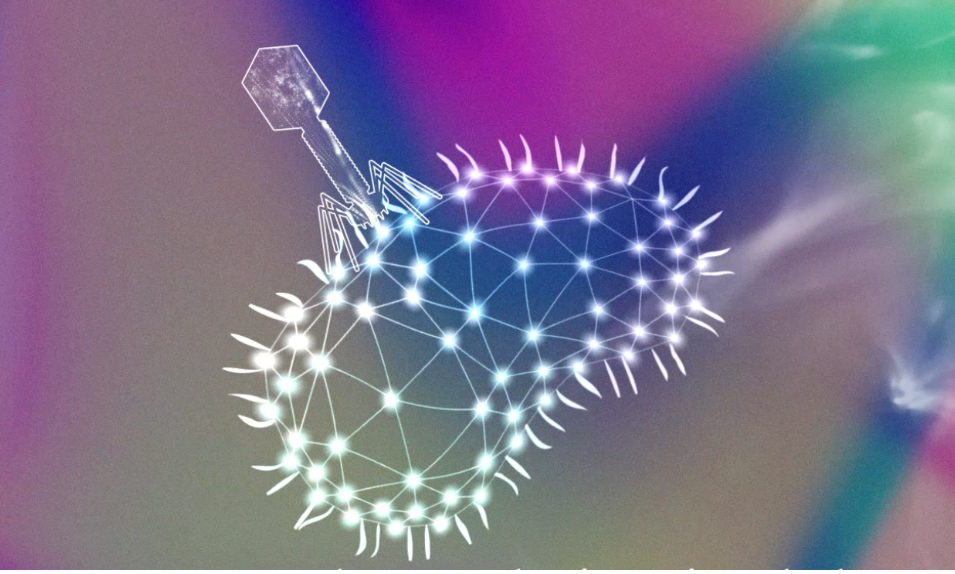
Phages, Towards a Targeted Alternative to Antibiotics
With the rapid development of antibiotics in the 1930s, phage therapy – using viruses known as bacteriophages or phages to tackle bacterial infections – fell into oblivion. But as the current rise in antibiotic resistance is making it increasingly difficult to treat...
![[Circle U.] Apply for the 2025 winter schools](https://wordpress-test.app.u-pariscite.fr/wp-content/uploads/2024/11/ECOLE-DHIVER-1080x675.jpg)
[Circle U.] Apply for the 2025 winter schools
Would you like to spend a few days in Europe as part of your studies? The Circle U. European Alliance is organising two winter schools on the themes of sustainable oenology and artificial intelligence. Find out how to apply! Sustainable “WINE” Intensive week from the...